Will Brackwell recounts his joust with the Cornish coast path during the notorious Arc of Attrition.
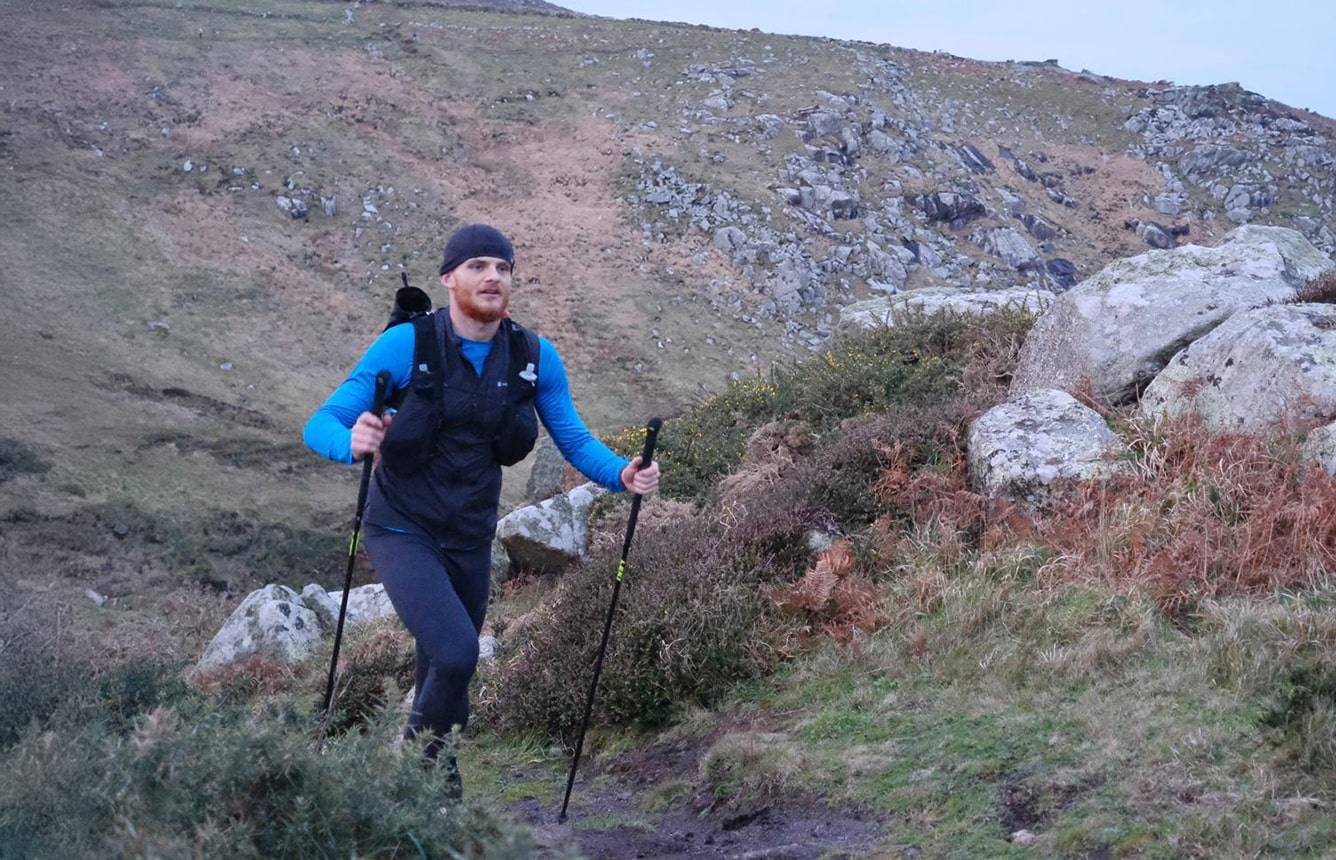
I came into my Arc training block on the back of an Ironman. Although fit and conditioned, I'd never run further than 60km in one hit. I'd have to be meticulous and dedicated. Twenty hours of training each week - more than a hundred kilometres on foot - was my prescription. During one recce, a month out from race day, I set off from Coverack at four in the morning. Within ninety minutes, a storm front rolled in from the Atlantic. Winds gusting 70mph lifted me, at fourteen stone, off the ground and hurled me into hedgerows. When a parked car flipped in the car park minutes later, I realised seeking refuge was probably the right choice.
And there were other setbacks. A fall on my first attempt at the crux section and a fractured kneecap - which I kept to myself, not even letting my coach know. Counterintuitively, these challenges increased my confidence. Knowing I had overcome difficulties in training meant I had greater confidence I could do so in the race.
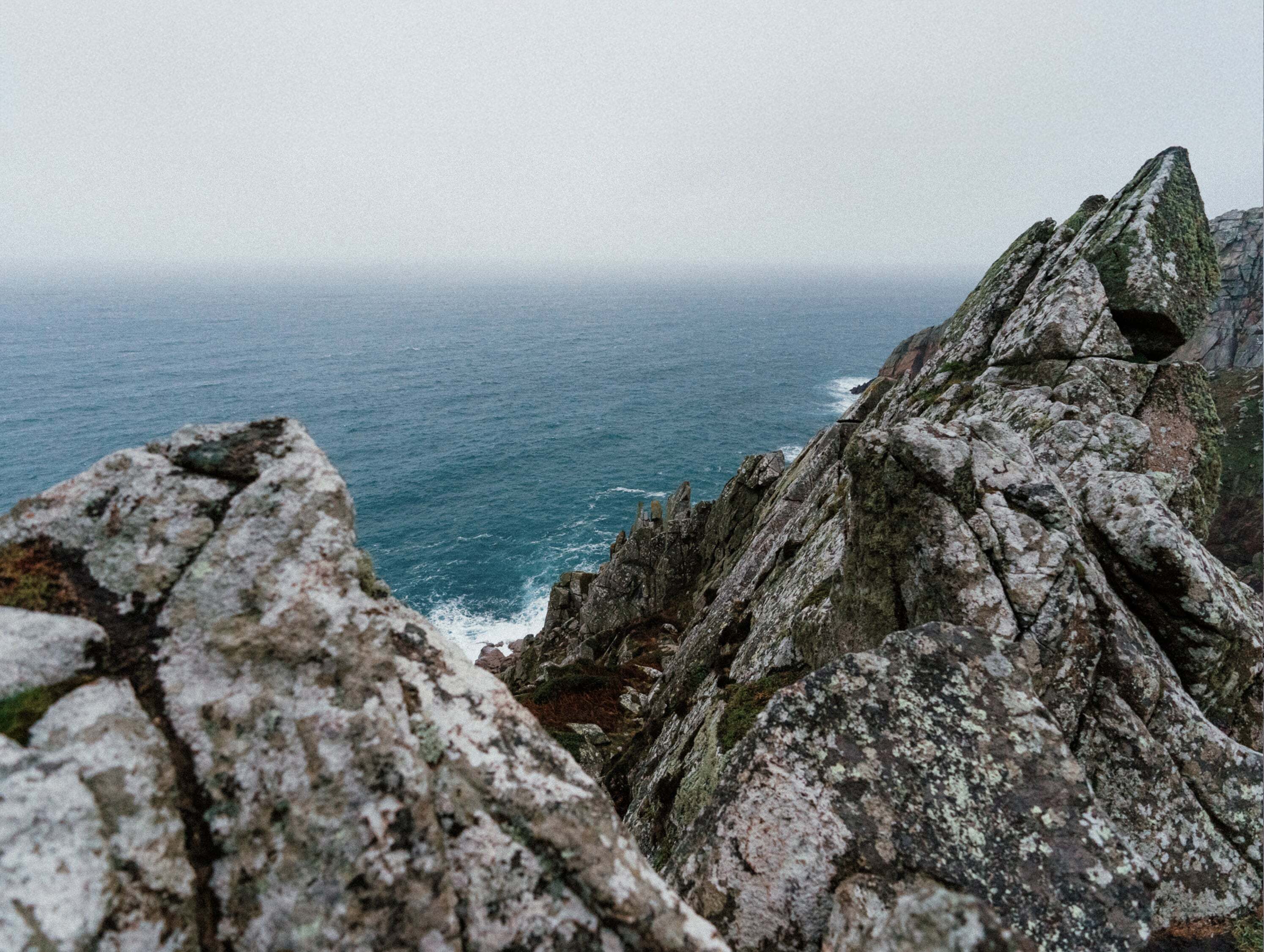
Race day began with quiet excitement, but my early impatience caused trouble. Frustrated by a slow start, I ate too much and overreached. By mile 25, near Porthleven, I was already nauseous. As darkness fell it got worse. A friend came past me and I told him how I felt. "Take an hour off food and drink, let things settle," he said. Sound advice: not long after I regained my composure and settled into the rhythmic flow that can come from following a head torch beam. An important lesson learned: it will be hard, it's supposed to be hard. But each hard moment will pass.
At mile 40 a brief run of tarmac through Porthleven was a welcome respite, but it aggravated the injured knee. Over the next ten miles it began to seize, swollen and stiffened. The Arc has four possible outcomes: a DNF (the fate of more than half who start); a silver buckle for finishing within 36 hours; a gold buckle under 30 hours; and, for an elite few, a black buckle inside 24 hours. Due to my early mistakes, I reached halfway nearly three hours behind target pace.
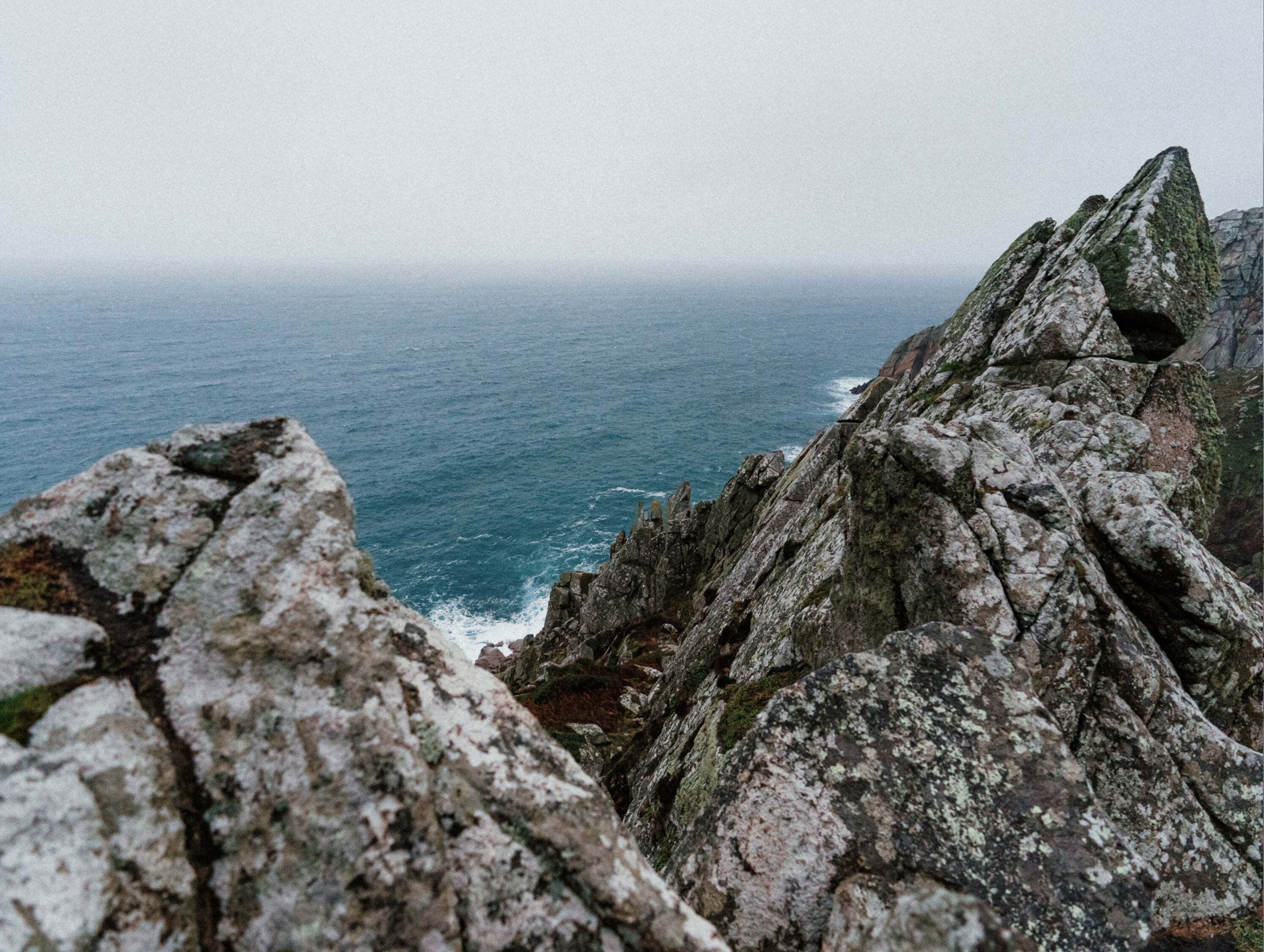
The turning point came on the stretch between Pendeen Lighthouse and St Ives, the place locals affectionately know as 'Mordor'. I knew the route intimately from six separate training runs, and this familiarity allowed me to claw back precious hours, arriving two hours ahead of schedule at the Zennor checkpoint.
From St Ives onward I'd hoped for a victory lap — just 21 kilometres left. But that final half marathon felt insurmountable. Every step became a negotiation. I was hollowed out; I hadn't eaten properly for more than a day, and sleep deprivation was playing with my senses. At one point I reached my crew station unable to speak, dropped my vest at their feet, climbed into the van, put my head in my hands and cried.
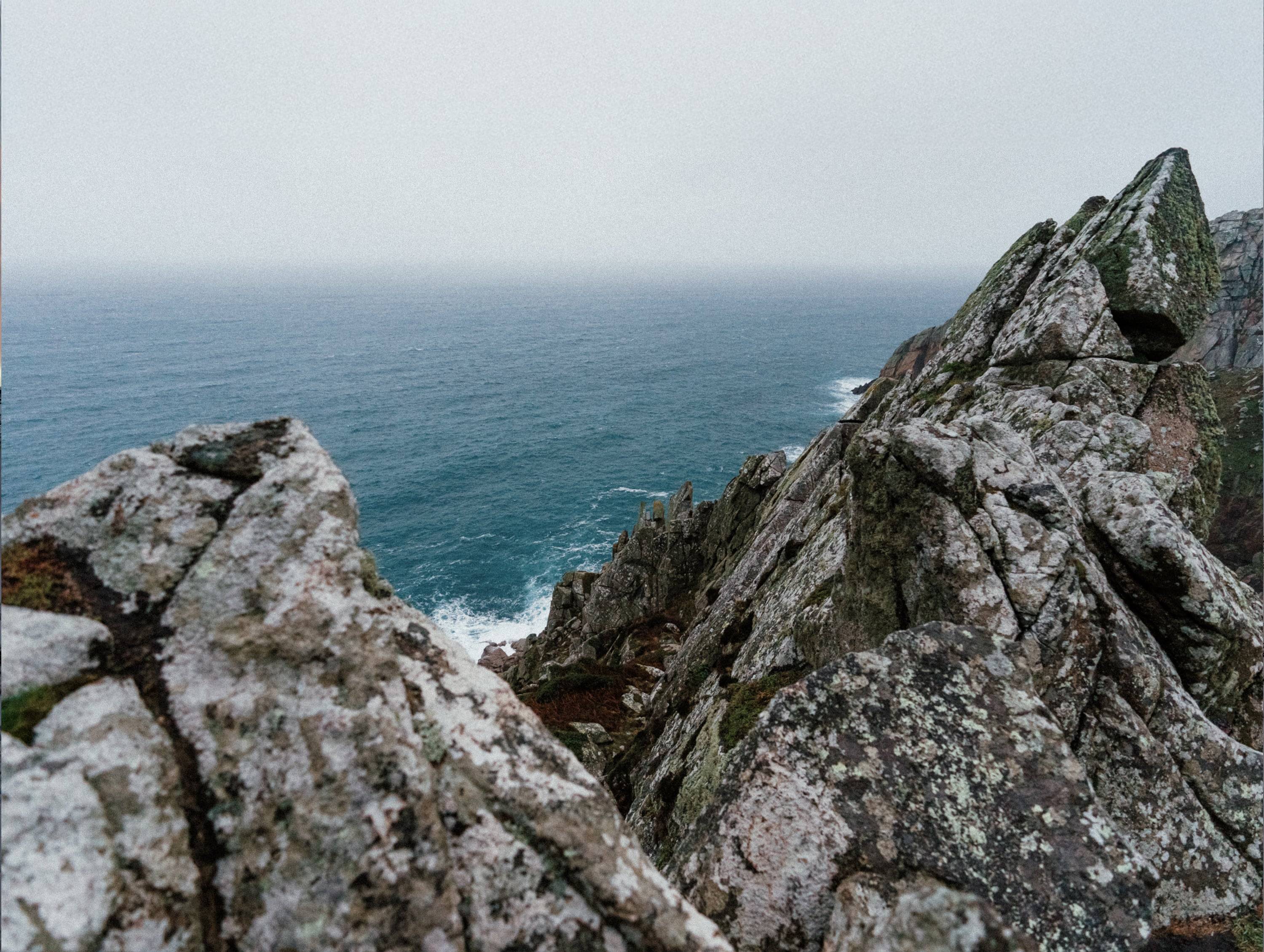
After an eternity, Porthtowan appeared. With 25 minutes to spare before the 30-hour gold buckle cut-off, I crested the final climb. As I could hear the hubbub of the finish line, all those negative feelings dropped out. I couldn't stop grinning.
Reflecting now, the value of the Arc isn't in the moment you cross the finish line, however nice. To me it's in the momentum it gives you to get out and find challenge. Genuine adventure isn't restricted to far-flung peaks or trips abroad; there is plenty in nearly every corner at home. Sometimes all you need is a little shove, and you find yourself right out on the edge.
Will Brackwell is a former Infantry Officer, endurance athlete, and mountaineer.



On The Edge
Will Brackwell recounts his joust with the Cornish coast path during the notorious Arc of Attrition.
I came into my Arc training block on the back of an Ironman. Although fit and conditioned, I'd never run further than 60km in one hit. I'd have to be meticulous and dedicated. Twenty hours of training each week - more than a hundred kilometres on foot - was my prescription. During one recce, a month out from race day, I set off from Coverack at four in the morning. Within ninety minutes, a storm front rolled in from the Atlantic. Winds gusting 70mph lifted me, at fourteen stone, off the ground and hurled me into hedgerows. When a parked car flipped in the car park minutes later, I realised seeking refuge was probably the right choice.
And there were other setbacks. A fall on my first attempt at the crux section and a fractured kneecap - which I kept to myself, not even letting my coach know. Counterintuitively, these challenges increased my confidence. Knowing I had overcome difficulties in training meant I had greater confidence I could do so in the race.
Race day began with quiet excitement, but my early impatience caused trouble. Frustrated by a slow start, I ate too much and overreached. By mile 25, near Porthleven, I was already nauseous. As darkness fell it got worse. A friend came past me and I told him how I felt. "Take an hour off food and drink, let things settle," he said. Sound advice: not long after I regained my composure and settled into the rhythmic flow that can come from following a head torch beam. An important lesson learned: it will be hard, it's supposed to be hard. But each hard moment will pass.
At mile 40 a brief run of tarmac through Porthleven was a welcome respite, but it aggravated the injured knee. Over the next ten miles it began to seize, swollen and stiffened. The Arc has four possible outcomes: a DNF (the fate of more than half who start); a silver buckle for finishing within 36 hours; a gold buckle under 30 hours; and, for an elite few, a black buckle inside 24 hours. Due to my early mistakes, I reached halfway nearly three hours behind target pace.
The turning point came on the stretch between Pendeen Lighthouse and St Ives, the place locals affectionately know as 'Mordor'. I knew the route intimately from six separate training runs, and this familiarity allowed me to claw back precious hours, arriving two hours ahead of schedule at the Zennor checkpoint.
From St Ives onward I'd hoped for a victory lap — just 21 kilometres left. But that final half marathon felt insurmountable. Every step became a negotiation. I was hollowed out; I hadn't eaten properly for more than a day, and sleep deprivation was playing with my senses. At one point I reached my crew station unable to speak, dropped my vest at their feet, climbed into the van, put my head in my hands and cried.
After an eternity, Porthtowan appeared. With 25 minutes to spare before the 30-hour gold buckle cut-off, I crested the final climb. As I could hear the hubbub of the finish line, all those negative feelings dropped out. I couldn't stop grinning.
Reflecting now, the value of the Arc isn't in the moment you cross the finish line, however nice. To me it's in the momentum it gives you to get out and find challenge. Genuine adventure isn't restricted to far-flung peaks or trips abroad; there is plenty in nearly every corner at home. Sometimes all you need is a little shove, and you find yourself right out on the edge.
Will Brackwell is a former Infantry Officer, endurance athlete, and mountaineer.